Conservation and social justice — what we’re keeping our eyes on in 2026 BlogFeaturedFeatured BlogHome Slider

Conservation and social justice — what we’re keeping our eyes on in 2026

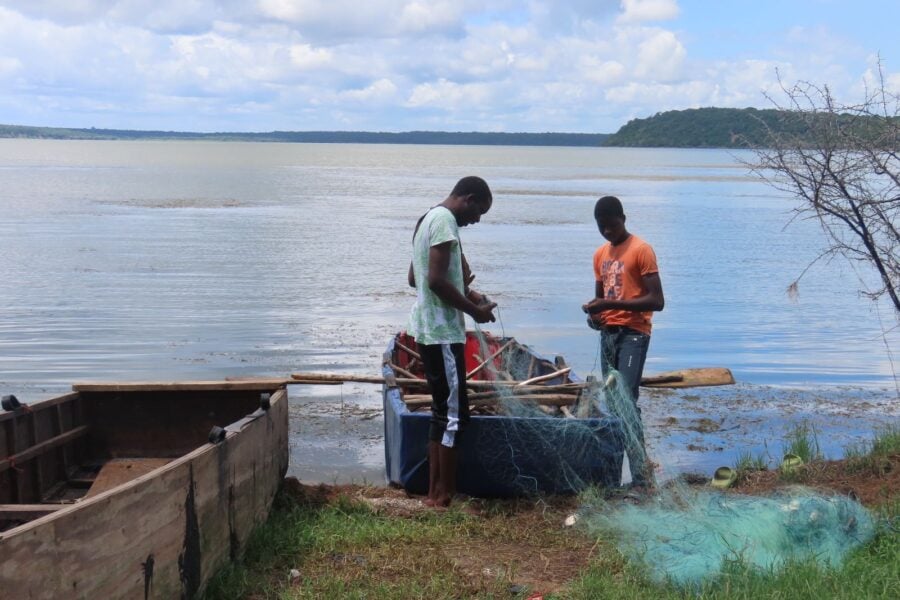
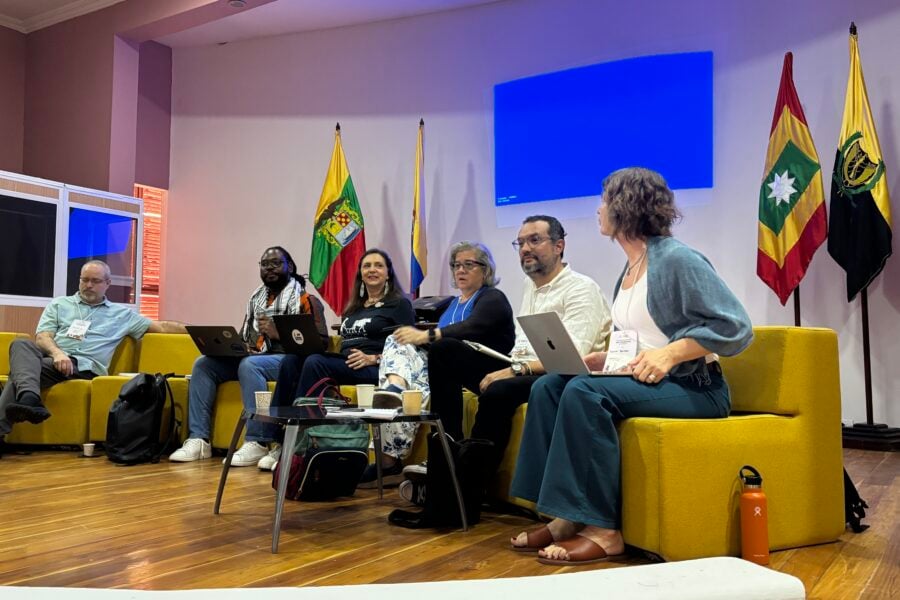
In the first edition of the Mazingira Yetu Network newsletter, Professor Moenieba Isaacs writes about how critical it is for conservationists, researchers, and the public to be aware of the direction in which global biodiversity and conservation plans are going, and why it is important to know.  I write this from Colombia, where I was fortunate to have attended the…
PLAAS
March 30, 2026
Cartagena and the cry of the soil: why South Africa’s voice mattered at ICARRD+20 BlogFeaturedFeatured BlogHome SliderUncategorized

Cartagena and the cry of the soil: why South Africa’s voice mattered at ICARRD+20

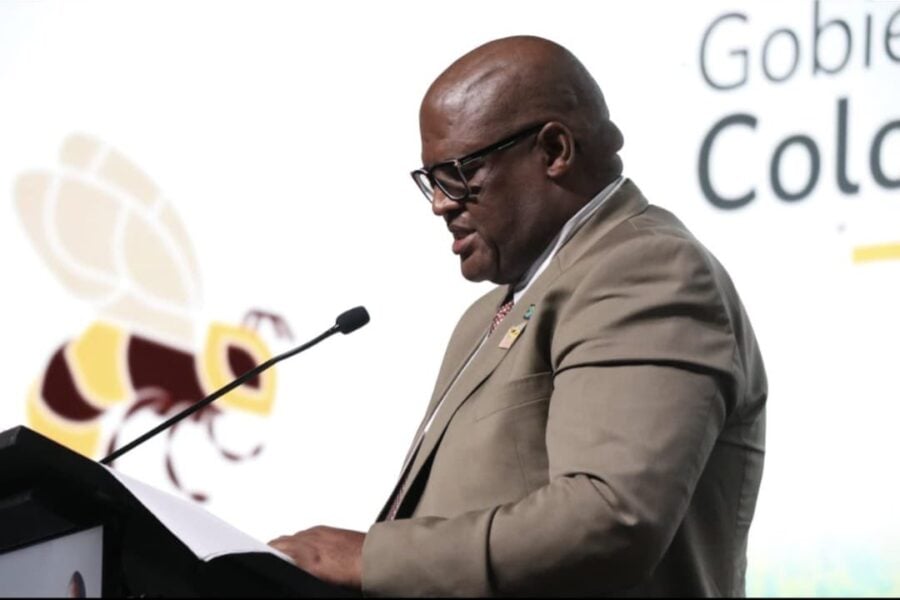
By Boaventura MonjaneIn the walled city of Cartagena, Colombia – where layered histories of conquest and resistance coexist in uneasy tension – South Africa’s Minister of Land Reform and Rural Development, Mzwanele Nyhontso, delivered a speech of striking moral force and political clarity at the Second International Conference on Agrarian Reform and Rural Development (ICARRD+20), held from 24 to 28…
PLAAS
March 13, 2026
Land rights and land tenure are changing in Africa. How is the answer of ‘good land governance’ framed and contested? BlogFeaturedFeatured BlogHome Slider

Land rights and land tenure are changing in Africa. How is the answer of ‘good land governance’ framed and contested?

By Professor Ruth Hall In Africa, the continent with the highest proportion of untitled land in the world, a fight is on - not just for the land, but to define which rights get recognition, and who decides. In contrast to those who focus on rural democratisation as a matter that needs to focus on national governments, the story I…
PLAAS
February 27, 2026
7 things to consider about the FAO’s Status of Land Tenure and Governance report, and 3 things we can do about it BlogFeaturedFeatured BlogHome Slider

7 things to consider about the FAO’s Status of Land Tenure and Governance report, and 3 things we can do about it

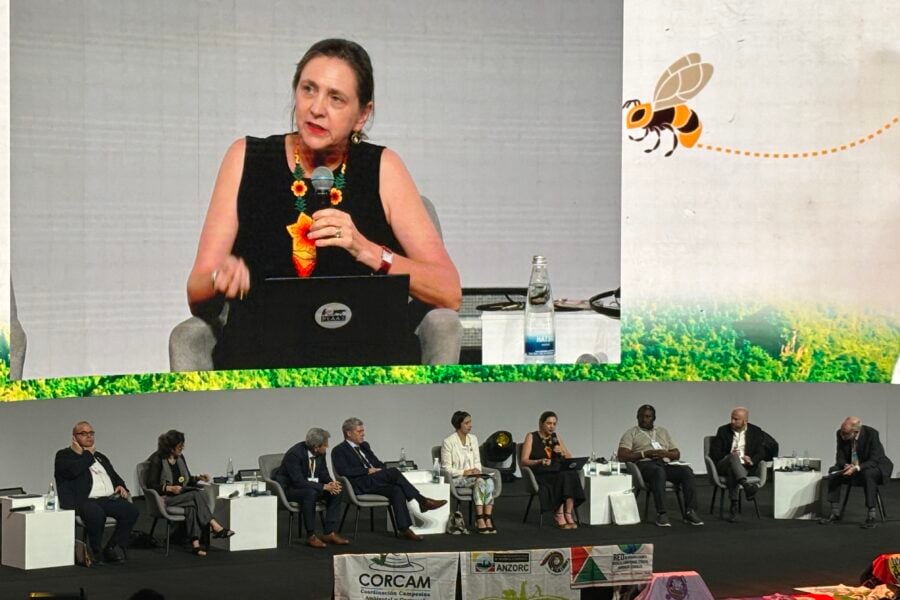
This opinion blog is based on input by Professor Ruth Hall at the second International Conference on Agricultural Reform and Rural Development (ICARRD+20). During this session, the UN's Food and Agriculture Organization launched their global Status of Land Tenure and Governance report. Download the report here. The Status of Land Tenure and Governance report confirms that the world has a…
PLAAS
February 26, 2026
Blog: How do livestock producers respond to climate change in land reform areas in southern Africa? BlogFeaturedFeatured BlogHome Slider

Blog: How do livestock producers respond to climate change in land reform areas in southern Africa?

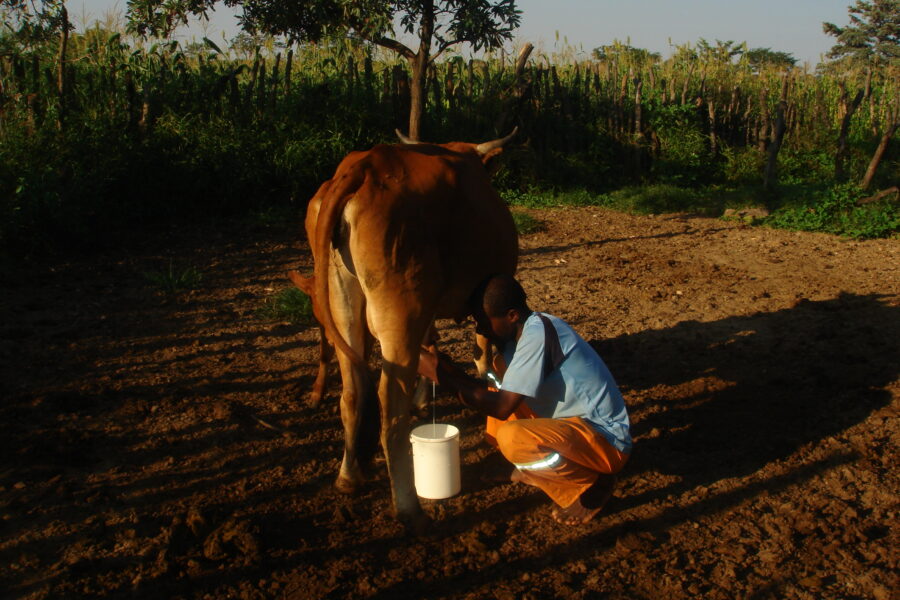
By Dr Tapiwa Chatikobo A recent report from the Institute of Poverty, Land and Agrarian Studies (PLAAS) at the University of the Western Cape in South Africa offers fascinating insights into how small- and medium-scale livestock producers on redistributed farms are dealing with climate variability in both Zimbabwe and South Africa. The report, edited by Tapiwa Chatikobo and Ben Cousins,…
PLAAS
February 18, 2026
Globalised extractive territorialisation and changing land uses in Africa BlogFeaturedFeatured BlogHome Slider

Globalised extractive territorialisation and changing land uses in Africa

By Phillan ZamchiyaAfrica is undergoing one of the most rapid and consequential transformations of land use in the contemporary world. I argue that these changes are best understood through what I term globalised extractive territorialisation. This is because contemporary land-use change is not limited to extraction alone. It involves the systematic reorganisation of territory through concessions, corridors, offsets, zoning, and…
PLAAS
February 16, 2026
New research report: What we’ve learnt about livestock, climate change, and land reform BlogFeaturedFeatured BlogHome Slider

New research report: What we’ve learnt about livestock, climate change, and land reform

Three key issues in rural policy are often discussed in isolation from one another: smallholder livestock production systems, the socio-economic impacts of climate change, and redistributive land reform. Across Southern Africa, all three are key to developing policies and programmes that enhance the sustainability of livestock-oriented rural livelihood strategies. Yet the complex and variable manner in which these three key…
PLAAS
February 16, 2026
Beget caring conservation – searching for meaning in the emerging concept of OECMs in the 2030 race Blog

Beget caring conservation – searching for meaning in the emerging concept of OECMs in the 2030 race

By Loyiso Dunga As the global community accelerates efforts to protect 30% of terrestrial, freshwater, and marine ecosystems by 2030, conservation stands at a critical juncture. The Kunming-Montreal Global Biodiversity Framework has driven the adoption of innovative strategies such as Other Effective Area-Based Conservation Measures (OECMs). Yet beyond the technical language and acronyms lies a fundamental question: How do we…
PLAAS
January 8, 2026
Ingonyama Trust fall-out: When the elephants fight, it is the grass that suffers Blog

Ingonyama Trust fall-out: When the elephants fight, it is the grass that suffers

Moenieba Isaacs, Siphesihle Mbhele, Ayanda Madlala The Ingonyama Trust Board invited the Amakhosi from all districts of KwaZulu-Natal and strategic business partners like Vodacom and Old Mutual to gather in one room.  From 8-10 December, delegates took their places in the Inkosi Albert Luthuli International Convention Centre in Durban for the three-day strategic meeting to discuss the Trust and its…
PLAAS
December 18, 2025
A new transboundary park: Why we’re concerned about Maputo National Park’s plans to merge with iSimangaliso in South Africa BlogFeaturedFeatured BlogHome Slider

A new transboundary park: Why we’re concerned about Maputo National Park’s plans to merge with iSimangaliso in South Africa

Ayanda Madlala To decolonise mainstream conservation — one that is extractive with natural resource ‘grabbing’ traits — an integrated approach is crucial. Three key aspects need to be considered: knowledge, narratives and practices. Professor Tembela Kepe reminded us of this most recently in his lecture on decolonising biodiversity conservation at the Living Landscapes in Action short course in Cape Town…
PLAAS
December 10, 2025