
Ayanda Madlala
To decolonise mainstream conservation — one that is extractive with natural resource ‘grabbing’ traits — an integrated approach is crucial. Three key aspects need to be considered: knowledge, narratives and practices. Professor Tembela Kepe reminded us of this most recently in his lecture on decolonising biodiversity conservation at the Living Landscapes in Action short course in Cape Town this October.
Whose responsibility is it to integrate social and spatial justice into biodiversity conservation?
A recent announcement declared Mozambique’s Maputo National Park (MNP) a UNESCO World Heritage Site. Simultaneously, plans to expand iSimangaliso Wetland Park (IWP) in South Africa to MNP to create a new transboundary conservation protected area are under way. This proposal is still rooted in colonial practices of accumulation by dispossession. Priority is given to nature but remains exclusionary of the people living with, in, and around it. The proposal claims it will “correct” socio-economic challenges of the people living on site through tourism revenue and job creation, with a fine print ensuring its conservation and aesthetic values are protected and/or preserved.
This statement has become a global anthem in the conservation sector with very limited — if any — tangible benefits for affected communities and fails to attend to their outcries. In practice, the idea romanticises economic benefits and overlooks slow, structural and physical violations, spiritual, and cultural connections people have to these lands.
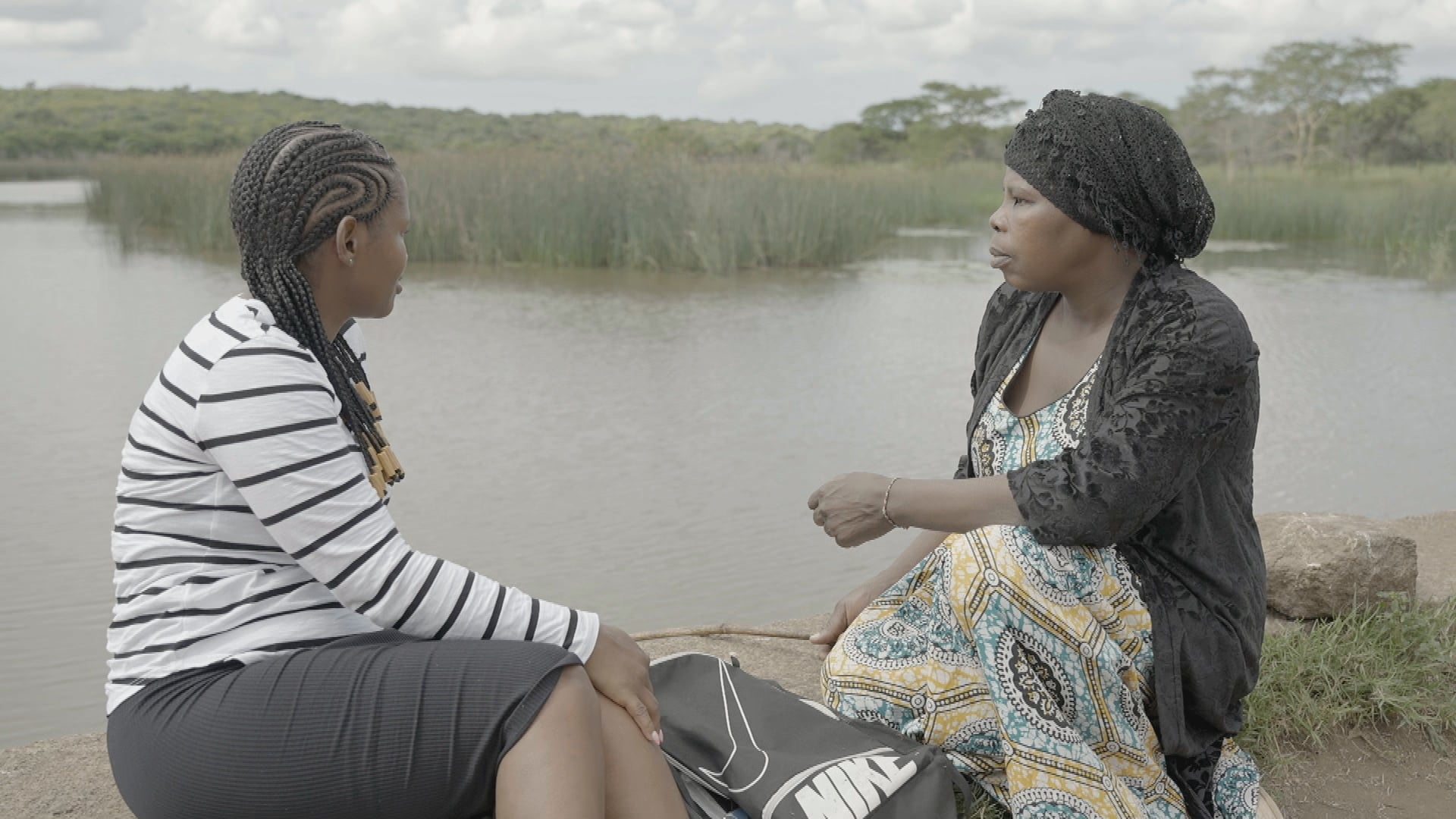
Wildlife has more rights than humans; if this was not the case then fishers would not be violated for accessing their livelihood.” — Ndlanzi, KwaNibela, during an interview on the proposed parks’ expansion, July 2025.
Disabling community voices is another form of violation and this case shows that this violation may be packaged in a number of ways. With regards to MNP-IWP expansion, the consultative window opened for public participation, but processes were rushed, exclusive, and oblivious to affected communities’ needs. The following elements of good practice were overlooked:
- Minimal effort was put into communicating the proposed expansion and its impacts. “I was not aware of the proposed expansion, which is no surprise as we are never informed but only hear of imposed laws and ever changing regulations.” — Mthethwa, Dukuduku, in one of the focus group sessions I conducted after a St. Lucia consultative meeting in June.
- Proposed venues for consultative proceedings — in St. Lucia, Mbazwana and Manguzi — were not centrally located and far from where people live. “We have facilities that can accommodate the community at large and are easily accessible. Why don’t they [IWP] come to us?” — Mthethwa, Dukuduku, during a group session I conducted after a St. Lucia consultative meeting in June.
- Even though the notice on the IWP website about the meeting was in the local language, isiZulu, the proposal document was over 100 pages long and in English, loaded with scientific terminology that an ordinary or illiterate resident would not understand. One hard copy of the proposal was made available at each local library — St. Lucia Public Library, Manguzi Public Library, Mbazwana Public Library, Sokhulu Traditional Council Hall, and Hlabisa Library.
- The process relied on technology such as smartphones and data for easy access to important information. Electronic proposal copies were available via the Department of Forest, Fisheries and the Environment and iSimangaliso Wetland Park websites.
The above decisions disable peoples’ voices and disregard the South African public’s constitutional rights to participate in and influence decision making. The SA Constitution is instrumental in promoting public participation with references from Section 1(d) highlighting its importance and founding value for the country’s democracy. In this case, the impacted population has been robbed of its constitutional right to form part of this proposed change that will have a ripple effect on their socio-economic status. How can they make well-informed decisions on issues that affect them if access to that information is deprived?

Mr Ndlanzi during an interview with Ayanda Madlala on the proposed expansion of iSimangaliso Wetland Park in KwaZulu-Natal. Picture: Ayanda Madlala, PLAAS.
A summary of the proposal
Execution plans need to be put in place before proposals and applications are made to expand MNP with IWP World Heritage Site. This includes identifying the land that is proposed for expansion, current and forthcoming land uses, information on the population residing in the area and resources they are dependent on. The list below shares some of the deficiencies in the proposal:
- Traditional hunting in the area is used as a reason to introduce hunting licences. The park goes as far as calling local hunters ‘poachers’ and says this has contributed to biodiversity loss. To fix this ‘problem’ they propose to regulate access and introduce hunting licenses, where traditional hunting will be prohibited but trophy hunting will be allowed.
- Rewilding to be introduced as a result of biodiversity loss.
- Oil and gas mining is seen as a potential finance generating interest in the near future.
- Referencing the country’s Constitution as a reminder that all land and natural resources belong to the state, implying that decision making can take place from that perspective of ownership alone.
- As a regulatory measure, they proposed the following:
- Increased patrol security.
- 25 rangers to be hired.
- Using helicopters to locate ‘poachers’
- Radio digital communication between rangers and the authorities to carry out repercussions.
- Five communities refused to move from the park. As a result, their physical footprints, number of homesteads and occupants, and their means of access are recorded. Any changes to these numbers require approval from the park management. The proposal states that “those assisted to move out (off-site settlement) may not return.” Instead, they have been supported by the park authority to become ‘formal structures’ who will receive 20% of the revenue generated from the parks’ profits.
MNP provided in-depth details outlining inherited colonial legacies, current status, already implemented changes to accommodate the expansion and long-term plans for the park. While these plans may seem exciting and somewhat developmental they are not new. IWP has first-hand experience of some proposed actions that had resulted in numerous problems: off-site settlements, formalised community structures into a legal entity leading to a so-called co-management arrangement, detailed in this policy brief. It is through this process that inclusion in the co-management agreement, especially in the decision making stage, was not practiced.

Zodwa Masinga and fellow grass cutter return from harvesting qumbe on th edge of Lake St Lucia at KwaNibela that they will use to make mats that they use and sell. Picture: Shoot the Breeze
Similarly, MNP wants to initiate a transboundary management committee even though it is not clear what this committee will look like. Who will form part of it, what would their roles and responsibilities entail, how often the committee would meet, what would be discussed, and where decision making powers rest.
Public participation proceedings in St. Lucia illustrate some level of exclusion and raises questions about how much the communities living there would be involved going forward.
Permit systems is another regulatory measure that IWP is familiar with, especially for people using the area to access natural resources for livelihood sustainability, spiritual , and medicinal purposes. To access resources inside the park, an entrance fee must be paid. They also need to hire transport to move within the park, as detailed in our policy brief.
MNP’s causes for concern are detailed in its proposal and illustrate structural forms of violence. People who ‘fail’ to adhere to the requirements will be treated like prisoners in their own land.
Combining MNP with IWP conservation areas only highlights these advantages:
- Larger conservation area.
- Profit from the species-area relationship, (which allows tourists to follow a species through several countries as an experience).
- Infrastructure development.
- International attention for tourist attractions.
- Eco-tourism to address socio-economic ills.
This skewed focus celebrates that tourists could experience many countries in one day, but it may have problematic outcomes for communities living in these areas in their respective countries. Realistically, joining areas across multiple countries unearths complexities in both the management and co-ordination of the parks’ functionality. Different priorities, policies, laws and practices would need to be incorporated. It could also mean more space to shift responsibility and avoid accountability.
South Africa has an example of a transboundary park that has real life implications for the people who live there. The Greater Mapungubwe Transfrontier Park connects South Africa, Zimbabwe and Botswana, a conservation area dominated by elephant species. Elephants move freely between these three countries while blurring lines of management and control. These mammals can be very aggressive, resulting in environmental damage to trees, grass and soil, and peoples’ cropping fields. Communities experience first-hand the impacts that wildlife prioritisation has on their livelihoods after the elephants have damaged their cropping fields. They are told to tiptoe around elephants in order to give tourists a once in a lifetime experience. None of the three countries want to take ownership of the damages caused.
It is no coincidence that these irrational, exclusionary and somewhat rushed implementation plans to expand conservation areas between these two countries are in effect. This process is in response to the 30X30 Global Biodiversity Framework that highlights ‘eco-tourism and job creation’. There is an intimate link between protecting biodiversity and generating high-end and adventure tourism. A strong focus on this biodiversity economic model does not speak to local people’s needs and livelihoods. Localised conservation instruments, in this case being the iSimangaliso Authority Management Plan for 2022-2030, were used as references and vessels in the endorsed 30×30 global agenda, which aims to protect 30% of all lands and marine resources by the year 2030. This is despite the initiative resulting in natural resource grabbing and long term implications for communities reliant on natural resources for survival.
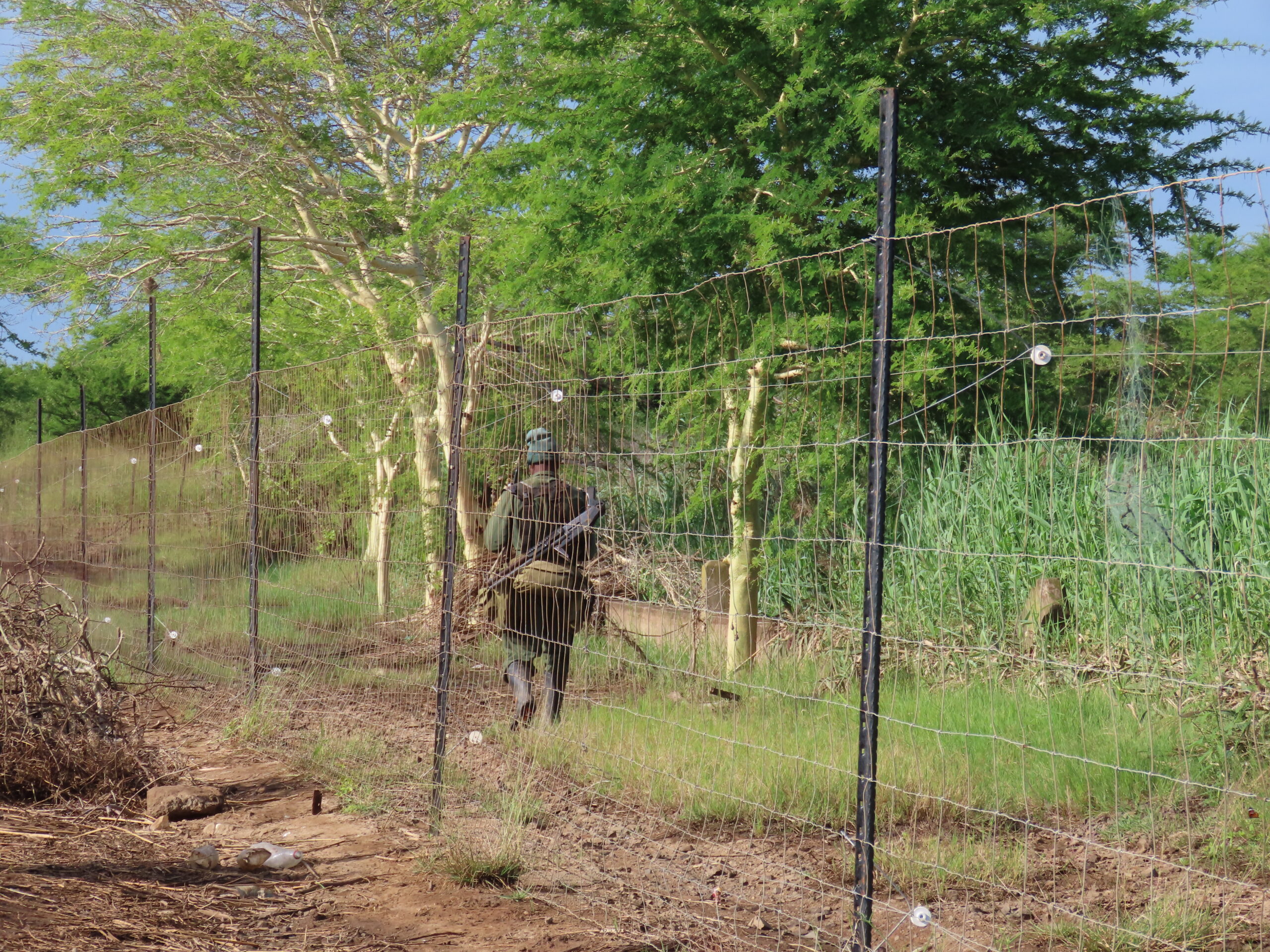
A ranger at Phinda Private Game Reserve in Mduku, situated between Mkuze Game Reserve and the iSimangaliso Wetland Park in KwaZulu-Natal. Picture: Ayanda Madlala, PLAAS
Furthermore and sadly, it demonstrates questions of power and access over these natural resources. Though we are living in a democratic era, we continue to be governed by colonial instruments (policies, laws, frameworks on conservation) which lack the political will to address past injustices while perpetuating colonial practices. South Africa’s Constitution, famed for its progressive legal perspective, seems to be good only on paper and not in practice for communities who need it to protect them and their space. If processes of this nature are still exclusionary towards impacted populations and their voices are deliberately overlooked, then we are still far from decolonising conservation spaces.
What needs to happen:
The concept of decolonisation in conservation is crucial and much still needs to be done to fully ‘decolonise conservation practices’. If the conservation sector is intentional about holistic inclusion for sustainability, there needs to be a shift. The starting point would be to revisit times at which meetings are held, venues proposed, use of languages that communities are familiar with and exploring communication platforms that consider different groups. These communities are not homogenous and should not be treated as such.
The MNP and IWP expansion as it stands is an example of how not to decolonise conservation: it confirms and perpetuates the narrative that conservation is mainly about fauna and flora, it puts emphasis on capital accumulation in the name of conservation, and it dismisses the fact that access to nature means more than using resources but a generational legacy providing a sense of belonging for concerned communities.
Layering blanket solutions over unresolved issues removes responsibility to address injustices. IWP, for instance, remains with unresolved land restitution claims. Though it is apparent that claimants will not return to their ancestral land, practices that pave the way for animals to ‘move freely’ through their space without their knowledge and practices unearths unhealed words and unresolved conflicts.
Conservation needs to start recognising humans as part of nature by doing away with policies, laws and practices that bluntly separate people from their land. Power needs to be decentralised, allowing for control and access to resources to sit with all concerned parties, and not only the state and elite groups. Communities do not only demand their voices to be heard but want to see themselves influencing change. Currently powerlessness is at the face of their struggle as regulations are imposed on them and decisions that affect them are made while they remain on the receiving end of incurred impacts.
Good practice requires acknowledging and learning from past mistakes while addressing historical injustices. But these policies force people to record their movements and reproduction, require beefed up security to trap them while referring to them as criminals, which maintains colonial practices.
The unanswered question remains: from whom is nature being protected?
Editing: Deshnee Subramany
