
By Dr Tapiwa Chatikobo
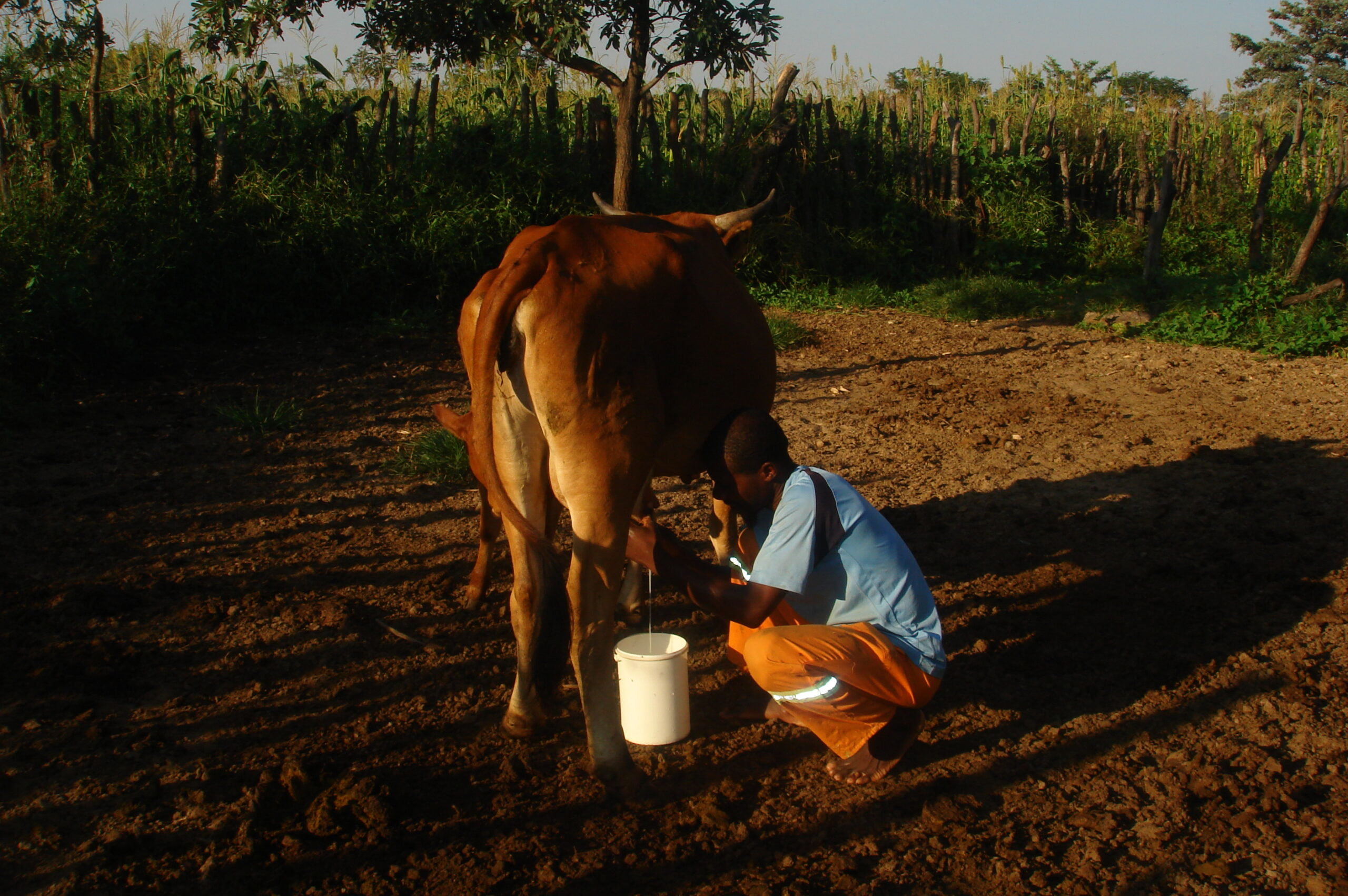
A recent report from the Institute of Poverty, Land and Agrarian Studies (PLAAS) at the University of the Western Cape in South Africa offers fascinating insights into how small- and medium-scale livestock producers on redistributed farms are dealing with climate variability in both Zimbabwe and South Africa.
The report, edited by Tapiwa Chatikobo and Ben Cousins, explores how small-scale livestock producers manage the inherent uncertainties of livestock production in ‘non-equilibrium’ rangelands land has been redistributed via land reform programmes. Rich case material comes from Namaqualand in the Northern Cape province of South Africa and Matobo district in Matabeleland South province, Zimbabwe. The study sites exhibit ‘non-equilibrium ecologies’ where temperature, rainfall and vegetation are highly variable over time and space, and droughts are a common occurrence. Climate change is expected to exacerbate environmental variability in these areas. The report looks at three main considerations:
- Managing variability in a new landscape in Zimbabwe
- Land redistribution as a route to increase climate resilience for livestock systems in South Africa
- A variety of climate adaptation strategies
Read the blog in full on Zimbabweland.
