7 things to consider about the FAO’s Status of Land Tenure and Governance report, and 3 things we can do about it BlogFeaturedFeatured BlogHome Slider

7 things to consider about the FAO’s Status of Land Tenure and Governance report, and 3 things we can do about it

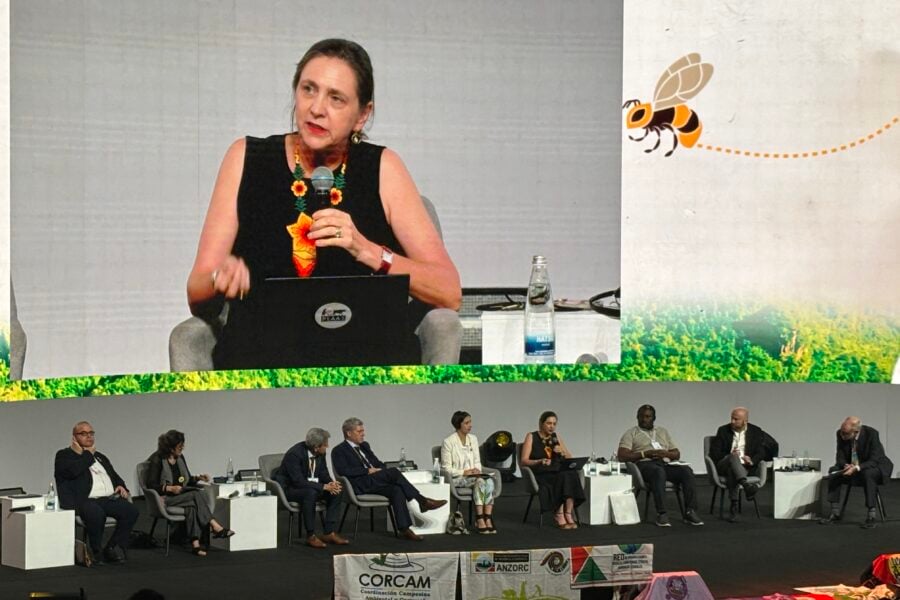
This opinion blog is based on input by Professor Ruth Hall at the second International Conference on Agricultural Reform and Rural Development (ICARRD+20). During this session, the UN's Food and Agriculture Organization launched their global Status of Land Tenure and Governance report. Download the report here. The Status of Land Tenure and Governance report confirms that the world has a…
PLAAS
February 26, 2026
Blog: How do livestock producers respond to climate change in land reform areas in southern Africa? BlogFeaturedFeatured BlogHome Slider

Blog: How do livestock producers respond to climate change in land reform areas in southern Africa?

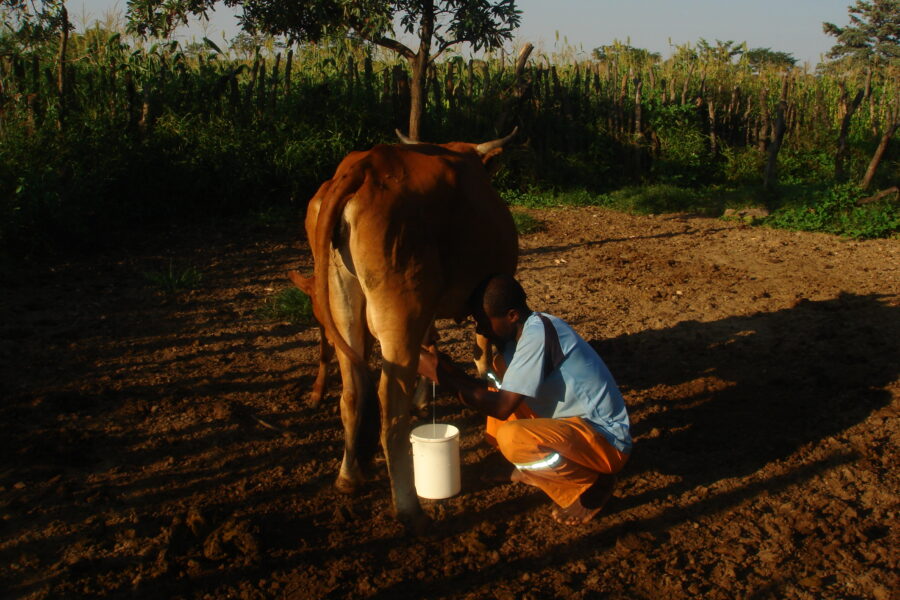
By Dr Tapiwa Chatikobo A recent report from the Institute of Poverty, Land and Agrarian Studies (PLAAS) at the University of the Western Cape in South Africa offers fascinating insights into how small- and medium-scale livestock producers on redistributed farms are dealing with climate variability in both Zimbabwe and South Africa. The report, edited by Tapiwa Chatikobo and Ben Cousins,…
PLAAS
February 18, 2026
Globalised extractive territorialisation and changing land uses in Africa BlogFeaturedFeatured BlogHome Slider

Globalised extractive territorialisation and changing land uses in Africa

By Phillan ZamchiyaAfrica is undergoing one of the most rapid and consequential transformations of land use in the contemporary world. I argue that these changes are best understood through what I term globalised extractive territorialisation. This is because contemporary land-use change is not limited to extraction alone. It involves the systematic reorganisation of territory through concessions, corridors, offsets, zoning, and…
PLAAS
February 16, 2026
New research report: What we’ve learnt about livestock, climate change, and land reform BlogFeaturedFeatured BlogHome Slider

New research report: What we’ve learnt about livestock, climate change, and land reform

Three key issues in rural policy are often discussed in isolation from one another: smallholder livestock production systems, the socio-economic impacts of climate change, and redistributive land reform. Across Southern Africa, all three are key to developing policies and programmes that enhance the sustainability of livestock-oriented rural livelihood strategies. Yet the complex and variable manner in which these three key…
PLAAS
February 16, 2026
Beget caring conservation – searching for meaning in the emerging concept of OECMs in the 2030 race Blog

Beget caring conservation – searching for meaning in the emerging concept of OECMs in the 2030 race

By Loyiso Dunga As the global community accelerates efforts to protect 30% of terrestrial, freshwater, and marine ecosystems by 2030, conservation stands at a critical juncture. The Kunming-Montreal Global Biodiversity Framework has driven the adoption of innovative strategies such as Other Effective Area-Based Conservation Measures (OECMs). Yet beyond the technical language and acronyms lies a fundamental question: How do we…
PLAAS
January 8, 2026
Ingonyama Trust fall-out: When the elephants fight, it is the grass that suffers Blog

Ingonyama Trust fall-out: When the elephants fight, it is the grass that suffers

Moenieba Isaacs, Siphesihle Mbhele, Ayanda Madlala The Ingonyama Trust Board invited the Amakhosi from all districts of KwaZulu-Natal and strategic business partners like Vodacom and Old Mutual to gather in one room.  From 8-10 December, delegates took their places in the Inkosi Albert Luthuli International Convention Centre in Durban for the three-day strategic meeting to discuss the Trust and its…
PLAAS
December 18, 2025
A new transboundary park: why we’re concerned about Maputo National Park’s plans to merge with iSimangaliso in South Africa BlogFeaturedFeatured Blog

A new transboundary park: why we’re concerned about Maputo National Park’s plans to merge with iSimangaliso in South Africa

Ayanda Madlala To decolonise mainstream conservation — one that is extractive with natural resource ‘grabbing’ traits — an integrated approach is crucial. Three key aspects need to be considered: knowledge, narratives and practices. Professor Tembela Kepe reminded us of this most recently in his lecture on decolonising biodiversity conservation at the Living Landscapes in Action short course in Cape Town…
PLAAS
December 10, 2025
Prof Ralarala displays UWC’s excellence at UNECA’s Conference on Land Policy in Africa 2025 — and wins BlogFeaturedFeatured BlogHome Slider

Prof Ralarala displays UWC’s excellence at UNECA’s Conference on Land Policy in Africa 2025 — and wins

What is the University of the Western Cape's role in achieving the African Union's goal of "Land Governance, Justice and Reparations for Africans and Descendants of the African Diaspora"? "As Africans, each time we engage on this issue of land, we are reminded of our history and the history of dispossession, and the ongoing struggles for inclusion and redress," said…
PLAAS
November 24, 2025
From decolonising to liberating land in Africa’s changing climate BlogFeatured BlogHome Slider

From decolonising to liberating land in Africa’s changing climate

Professor Emmanuel Sulle At the Sixth Conference on Land Policy in Africa (CLPA), the call was clear: Africa must break free from colonial land systems and boldly reimagine its relationship with land. From Supreme Court justices to ministers and scholars, speakers insisted on moving beyond lamentation toward liberation. The call was not simply to decolonise land laws, but to transform…
PLAAS
November 14, 2025
Prof Ian Scoones: Climate change and land – why COP30 must go beyond false solutions BlogFeatured BlogHome Slider

Prof Ian Scoones: Climate change and land – why COP30 must go beyond false solutions

Professor Ian Scoones Opinion Land and the climate are inextricably linked. We know that land-use change contributes between 13 and 21 percent to global emissions, yet only 2.5 percent of overall climate finance is directed to land-use related issues. As we head to COP30 in Brazil this month, this must change. Before that, let’s be clear about the type of climate…
PLAAS
November 6, 2025