
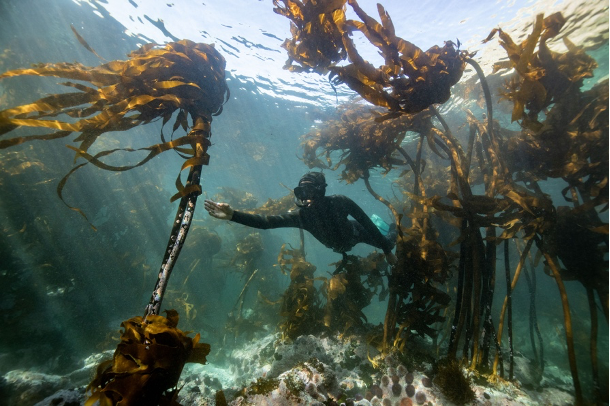
By Loyiso Dunga
As the global community accelerates efforts to protect 30% of terrestrial, freshwater, and marine ecosystems by 2030, conservation stands at a critical juncture. The Kunming-Montreal Global Biodiversity Framework has driven the adoption of innovative strategies such as Other Effective Area-Based Conservation Measures (OECMs). Yet beyond the technical language and acronyms lies a fundamental question: How do we transition from fortress conservation to an approach rooted in care—one that builds enduring connections between society, science, and policy?
Historically, conservation has been shaped by colonial legacies and top-down governance that marginalised indigenous voices and cultural knowledge. Today, challenges of legitimacy and limited civil society support threaten progress at a time when meeting global targets is essential. OECMs offer a unique opportunity to address these shortcomings and draw lessons from both terrestrial and marine protected areas. However, the urgency to achieve numerical goals risks undermining this potential. This blog highlights the dangers of moving fast over substance and argues for a transformative approach—one that values indigenous languages, cultural principles, and collaborative governance as the foundation for caring conservation, ensuring OECMs become more than just another acronym in the biodiversity race.
‘Indigenous languages hold the key for unlocking caring conservation’
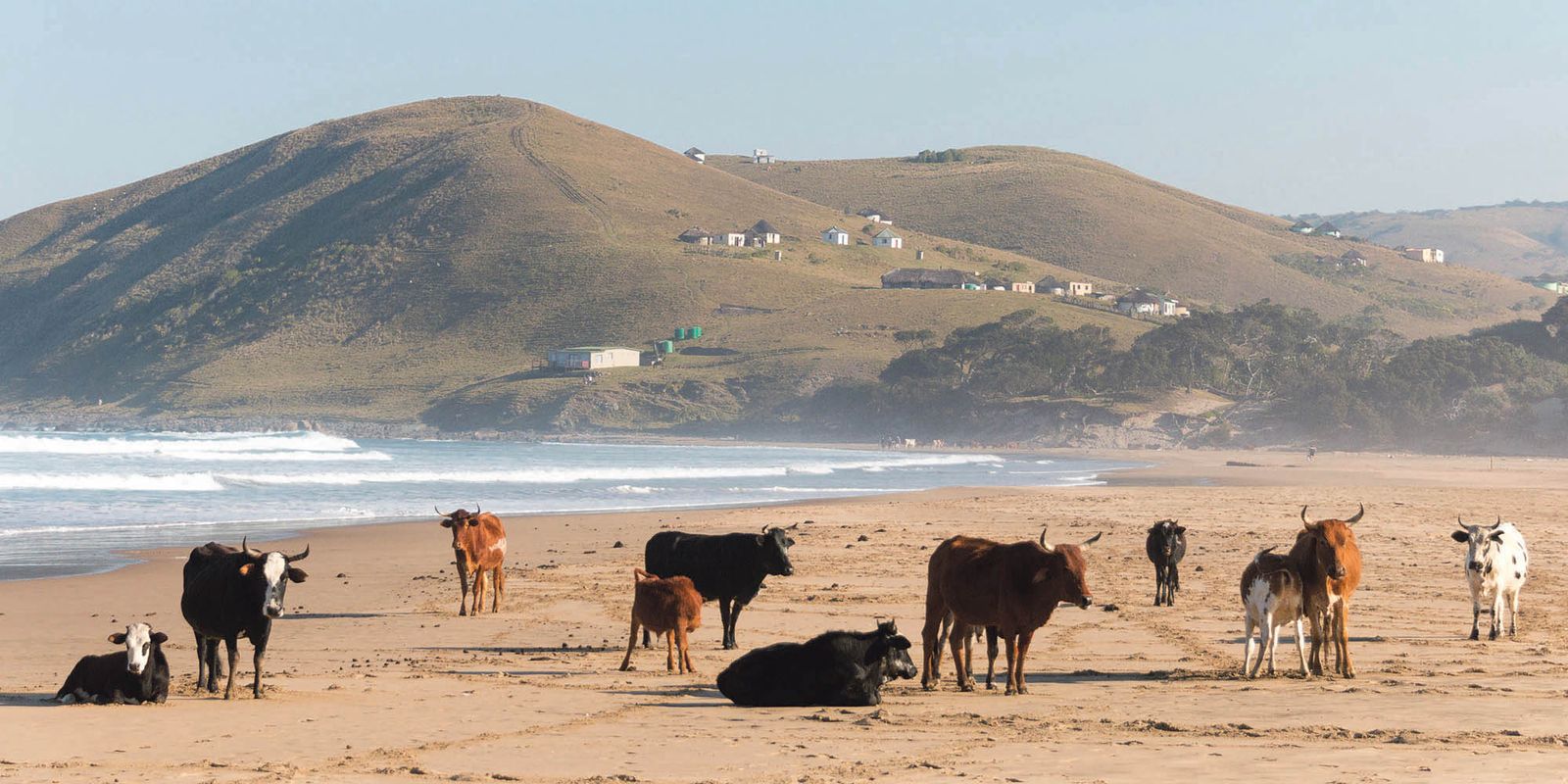
Figure 1: Unless conservation starts to learn indigenous languages, it will continue to miss the significant opportunity of gaining in-depth tangible and intangible understanding. i-Stock
Unless conservation starts to learn indigenous languages, it will continue to miss the significant opportunity of gaining in-depth tangible and intangible understanding of the connection between the ecosystems and species it seeks to conserve and the people whose cultures is deeply intertwined with. These languages carry profound cultural memory, cultural knowledge and ecological wisdom that underpin custodianship and stewardship practices—ways of life that safeguard biodiversity for future generations. If yet again missed, conservation loses the critical elements of “thriving culture for nature” which has a strong role to play in safeguarding ocean lives and livelihoods1.
‘Safeguard both biodiversity and rich cultural heritage’
The marine environment of South Africa is home to a treasure throve of iconic seascapes that occur nowhere else on earth, including endemic species, vulnerable habitats, and some of the most biodiverse ecosystems. Similarly, this long coastline is characterised by a high degree of biocultural diversity, expressed in the twelve official languages and the wide range of tangible and intangible deep human connections to coastal and marine biodiversity. These comprise components of cultural heritage, including customary fishing grounds, locations of ceremonial and spiritual significance, and oral tradition2 .
‘Conservation, an old instrument of colonisation casts a lengthy shadow’
Historically, African conservation has been defined by colonial frameworks that dispossessed local and indigenous people, eliminated customary familiar grounds, and prioritised extraction. Today, postcolonial governance must strike a balance between economic objectives like as the “Blue Economy” and cultural legacy, as well as climatic resilience. Moving forward necessitates integrated policies such as UNCLOS(III), regional cooperation, bottom-up approach, collective decision making and concerted efforts.
More than 300 years before South Africa’s very first Marine Protected Area (MPA) was established, in the Western Cape, the first fishing restriction was documented with lasting impacts. This colonial rule ushered in new spatial exclusion that saw locals excluded from fisheries in South Africa and grew stronger in subsequent years. To date, majority local and indigenous communities struggle to discern between contemporary marine conservation measures from colonial and apartheid historic measures. The result is distrust towards conservation in fear of further dispossession3.
‘All these words, they keep using to try and confuse us’ – Lalela uLwandle4
OECMs join an endless list of abbreviations designed for area-based spatial measures. Area-based measures are conservation tools and social constructs designed to not only protect biodiversity but also address broader societal concerns, address local community needs, and create opportunity for future generations; however, many fail to uphold and recognise cultural connections. It is against this backdrop, that contemporary conservation measures require critical examination, comprehensive understanding and a decolonial conceptualisation, if they are not to perpetuate old ills. While protected areas are a well-established and understood area-based conservation measure, OECMs are not.
For a site to be fully recognised as an OECM, a number of steps are required.
- Be a clearly defined geographic space.
- Be governed and managed in ways that respect rights.
- Contribute to long-term, in situ conservation of biodiversity.
- Depending on the site’s context, integrate the conservation of ecosystem services as well as cultural, spiritual, and other local values in their management.

Loyiso Dunga in front of Gompo’s Rock in East London, a site of cultural significance
OECMs and protected areas do not overlap. Sites with important biodiversity values are identified and reported as either protected areas or OECMs, recognising Indigenous and traditional territories, taking into account the characteristics of the site, national regulations, and the wishes of rightsholders and stakeholders. The above guidance and criteria for recognising OECMs present a complex to implement one-size-fit-all approach, making implementation difficult and does not take into account diverse contexts, underscoring the need for clarity, proceeding with care and context-sensitive approaches.
‘If you want to go fast go alone, but if you want to go far, go together’ – African proverb

Loyiso Dunga with Eastern Cape community leaders mapping their ocean connections. Image supplied by the author.
Despite the progressive step of linking OECMS with Target 3, this creates a change for many member states to meet their CBD target commitments. Yet if not approached with care and consideration, this creates challenge for legitimate OECMs, as target 3 comes with time pressure. While OECMs still lack proper safeguards against applications that may further perpetrate fortress conservation, and the long silencing of local and indigenous knowledge in the design, implementation and management of spatial conservation measures. If OECMs are going to meaningfully incorporate cultural, spiritual, socio–economic, and other locally relevant values, a slow process that adopts a whole-of-society is the best way forward. Cultural principles of care, reciprocity, and inclusive marine conservation strategies, for ocean life and livelihoods, hinges on diverse knowledge systems, rebuilding of the eroded trust, balancing often skewed and biased trade-offs and building a solid foundation that draws from experiences and lessons learned from current protected areas both on land and sea.
‘Seek the wisdom of those who came before us’
The wisdom of those who came before us is not a relic of the past—it is a compass for the future. By ensuring contemporary conservation measure embrace collaborative approaches and investing in processes that prioritise trust-building over quick wins, we can create conservation strategies that protect both ecosystems and the cultural connections intertwined with them. OECMs offer a promising pathway, but only if they are implemented retrospectively with humility and respect for indigenous knowledge systems, cultural heritage, and community governance6.

Loyiso Dunga and his grandfather engaged in storytelling about their ocean connections. Image supplied by the author.
Meeting global biodiversity targets cannot come at the expense of cultural integrity, conservation that resist transformation and continues to perpetrate social injustices and further disadvantaging the marginalised. OECMs should embrace principles of care, reciprocity, and inclusivity—drawing on diverse knowledge systems, rebuilding trust, and learning from lessons drawn from existing protected areas.
An opportunity for us to move beyond fortress conservation and acronyms is upon us. We must invest in the process (time, collaboration, and a whole-of-society approach) instead of “low hanging fruit” because only this investment begets caring conservation!
The fundamental question is, at a local, provincial, national and regional scale, are you ready for OECMs?
References
2 Inyathi Ibuzwa kwaba Phambili
3 Exploring the nexus and utilities between regional and global governance architecture
6 Deep connections, the importance of CSA in South Africa’s marine space
This blog is based on a lectured delivered by Loyiso Dunga at the Institute for Poverty, Land and Agrarian Studies for the Mazingira Yetu Network in December 2025. Dunga is the Executive Director of The Seas of Good Hope Programme, a legacy project which is funded by Parley for the Oceans (NY) in collaboration with the South African National Biodiversity Institute (SANBI) and McPike Zima Foundation. Dunga is also an Authority Coordinator for the IUCN Seaweed Specialist Group, a 2024 cohort of Edinburgh Ocean Leader, and a Professional Associate at Nelson Mandela University’s Institute for Coastal and Marine Research.
Dunga believes that to be an indigenous student of knowledge and know where we are going, we must know from whence we came. He is a marine biologist by training, focusing on kelp forest ecosystems, and a conservationist at heart. His work places him in the nexus of science-policy-society, where he works to build bridges that bring together multiple disciplines in order to co-design strategies to safeguard South Africa’s marine heritage for people and nature.
