
Urban Land Justice and Redistribution Gathering
Workshop17 Watershed, V&A Waterfront, Cape Town, South Africa
22 – 23 August 2025
As landmark court victories on urban land rights face implementation delays, the Urban Land Justice and Redistribution Gathering will convene from 22 – 23 August 2025 at Workshop17 Watershed, V&A Waterfront, a week after the proposed National Dialogue convened by the Presidency.
The third iteration of the event, the 2025 edition will be co-hosted by the Housing Development Agency (HDA), Socio-Economic Rights Institute of South Africa (SERI-SA), the Institute of Poverty Land and Agrarian Studies at the University of the Western Cape (UWC-PLAAS), a City Occupied Collective, and Ndifuna Ukwazi, it comes at a critical juncture in South Africa’s land reform efforts.
South Africa’s spatial apartheid endures, townships and informal settlements remain scars of displacement, while prime urban land sits vacant or hoarded.
Even landmark legal victories like the Bromwell Street ruling haven’t dismantled this entrenched injustice, exposing the gulf between courtroom wins and material change.
Significantly, the urban land crisis disproportionately impacts on women, who sustain most households yet face systemic barriers to ownership. While managing survival in informal settlements, they remain locked out of their land rights — an injustice this gathering tackles through feminist land justice frameworks that convert domestic labour into formal ownership and power.
The need for radical land reform is at a crisis point. President Cyril Ramaphosa has warned that the “continued monopolisation of a key means of production like land is not just an obstacle to advancing a more egalitarian society; it is also a recipe for social unrest.” We must see this reflected in the National Dialogue on 15 August.
Urban land reform cannot be sidelined in national discourse, it has the potential to dismantle economic apartheid and restore dignity to the dispossessed.
Speakers

Professor Ruth Hall, director of PLAAS, reflects on the budgetary allocation of land:
“Land reform funding tells the truth: at its peak, land reform received only 1.09% of the national budget in 2009. For 2025/2026 allocation, it sits at a paltry 0.4%, which will only maintain and perpetuate apartheid’s geography. Justice demands more than words — it requires resources. This gathering exists to force that reckoning.”
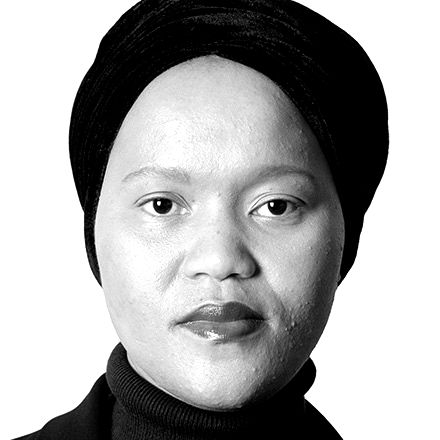
Nomzamo Zondo, SERI-SA director, connects these cases to the broader struggle:
“In the Constitutional Court victory of Bromwell Street, the courts agreed public land must redress inequality. This gathering must transform legal wins into tangible change, because justice delayed in our cities is justice denied.”

Mpho Raboeane, executive director of Ndifuna Ukwazi, frames the urgency:
“We’re seeing apartheid’s geography rebranded for speculation. With the Tafelberg case awaiting judgment from ConCourt, the Western Cape Government has begun public engagement around converting the site into affordable housing. This shows that we can reclaim well-located land — and we must scale this to all cities. This modern land grab must end here.”
Agenda
Friday 22 August
08:30 – 09:30 – Registration
09:30 – 10:00 – Welcome
10:00 – 11:30 – Information Sharing and Exhibitions
11:30 – 12:00 – Performance by Nkosinathi Maki, Comic.
Historical and Contemporary Context of Land Dispossession
12:00 – 13:30
This panel will explore the legacy of land dispossession through colonialism, apartheid, and forced displacement—and its enduring consequences on marginalised communities. Experts will examine how dispossessed land issues continue to shape economic inequality, cultural identity, and social dignity today. The discussion will then shift to the principles of land reparations, analysing why restoring land rights is not just a moral imperative, but a necessary step toward healing historical injustices and building a more equitable future
Policy and Legal Framework for Land Reparations and Redistribution
14:00 – 15:00
This panel will examine the intersection of international land rights frameworks with national reform efforts, assessing why some policies succeed while others fall short. Legal experts will analyse persistent obstacles—from outdated tenure systems to bureaucratic hurdles in land administration—and explore actionable solutions through litigation, legislative change, and administrative reforms. A spotlight will be placed on the transformative potential of specialised institutions like Land Courts in resolving disputes and advancing restitution. The discussion will equip policymakers with concrete strategies to turn legal principles into tangible justice for dispossessed communities.
Tenure Security and its Role in Sustainable Land Access
15:00 – 16:00
This panel will explore the concept of land tenure security and its vital role in fostering social and economic stability. Experts will examine the link between secure land rights and poverty reduction, particularly in urban settings, and discuss various tenure systems—including formal, informal, customary, and communal land rights. The conversation will also address how insecure tenure can lead to displacement, increased poverty, and conflict, highlighting the need for equitable land governance policies.
Saturday 23 August
Performance
09:30 – 10:00
We open the day with a performance by poet Lwanda Sindaphi.
Land Redistribution Strategies
10:00 – 11:30
This panel will delve into the key principles of equitable land redistribution—access, sustainability, and fairness—and how they shape effective policies. Speakers will highlight successful global examples of land redistribution while addressing common challenges, such as political opposition, economic impacts, and social tensions. The discussion will also explore strategies for designing inclusive redistribution plans, focusing on prioritising marginalised communities, assessing available resources, and ensuring long-term sustainability for lasting impact.
Financing Land Reparation, Property Tax, Expropriation, and Redistribution
11:45 – 13:00
This panel will explore innovative and sustainable financing mechanisms for land reparation, expropriation, and redistribution. Experts will discuss potential funding sources—including government budgets, international aid, and private sector investment—and examine the role of land value capture, property taxes, and wealth redistribution in supporting land reforms. The conversation will also address the challenges of financing these initiatives in developing countries, evaluating solutions such as land banks, bonds, and equity financing. Finally, the panel will highlight strategies to secure long-term funding for tenure security programmes, ensuring equitable and lasting change.
Overcoming Political and Social Barriers to Land Redistribution
14:00 – 15:30
This session will examine the key challenges in implementing land redistribution policies, focusing on resistance from powerful stakeholders such as landowners, elites, and corporations. Panelists will discuss strategies to build political will—including engaging policymakers, mobilising public opinion, and leveraging civil society movements. The discussion will also explore tactics to counter opposition, such as media advocacy, grassroots organising, and international solidarity, offering insights into how to advance equitable land reform despite political and social obstacles.
15:30 – 16:30
Collaborative Action Plans for Land Reparation and Redistribution
