By Nkanyiso Gumede, Ruth Hall, Deshnee Subramany
Pictures: Zacharia Mashele/Ndifuna Ukwazi
The Constitutional Court judgment on a Tafelberg property in Sea Point, Cape Town, sets an important precedent on equitable access to land and spatial justice. The state is obliged to deliver on equitable access to land as outlined in Section 25(5) of the Constitution. The Constitutional Court confirmed that the state and its departments – in this case the Western Cape province and the City of Cape Town – have an obligation to deliver on spatial justice. These are:
- Access to the city for the poor and vulnerable is vital for housing delivery and particularly housing, which has to be intentional in addressing spatial apartheid and promoting access to city life and opportunities in the city.
- The state at this provincial and city level must seek resources from the national government to deliver on its constitutional obligation for access to land and housing.
- Where these resources are insufficient, it must use its intergovernmental relations in different statutes, such as provincial and national Human Settlements departments, or provincial and national Infrastructure departments.
The case is significant for Section 25(5) of the Constitution because it defines the state’s obligation to deliver on the right to equitable access to land and housing. Justice Nonkosi Mhlantla delivered the verdict on Thursday, 2 July 2026, saying that the government – in this case the City of Cape Town – has a constitutional duty to place location at the centre of its considerations for housing decisions. “Location is not a peripheral consideration in housing policy – it is integral to the reasonableness enquiry under Section 26,” Justice Mhlantla said during her delivery.
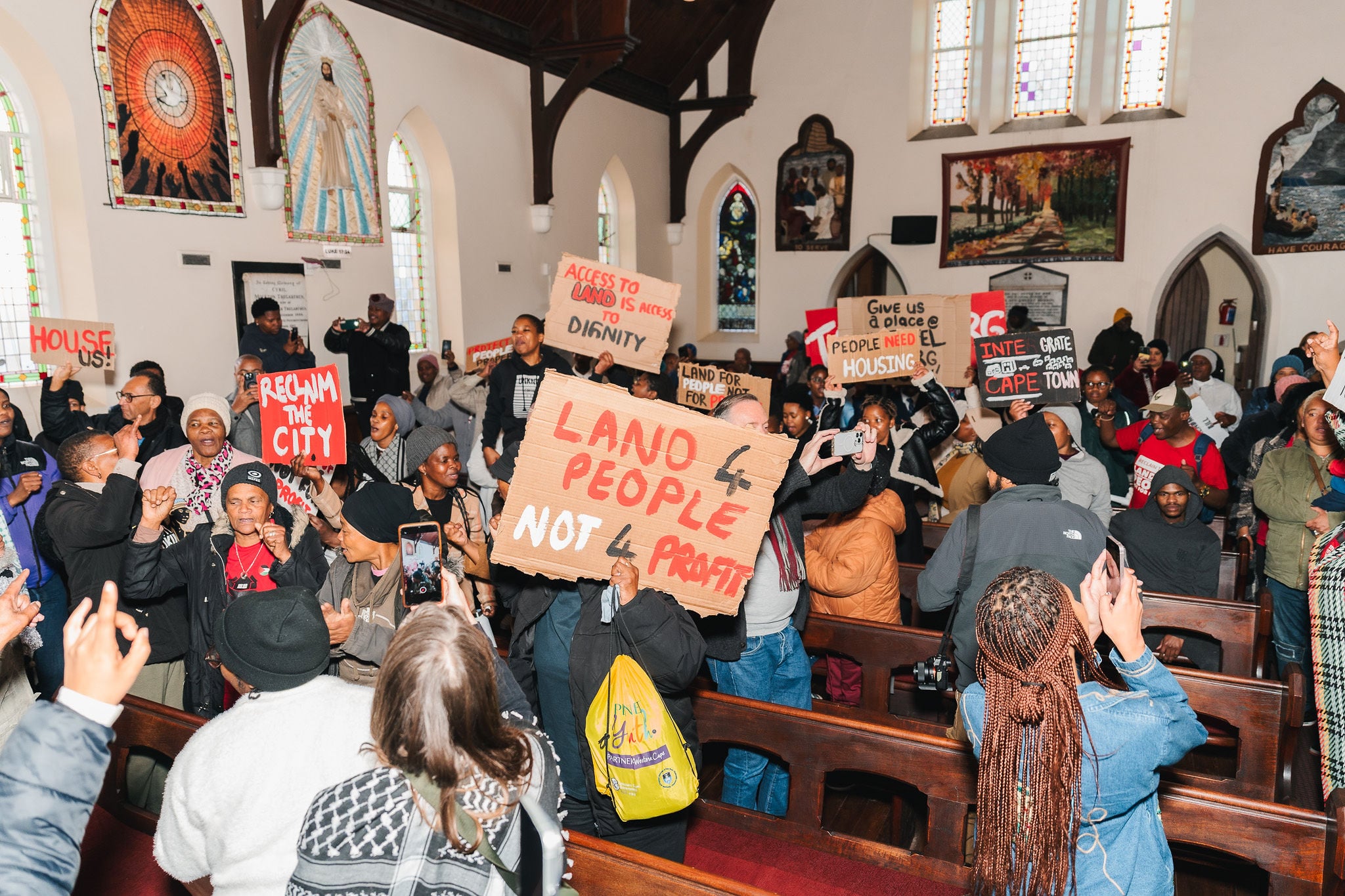
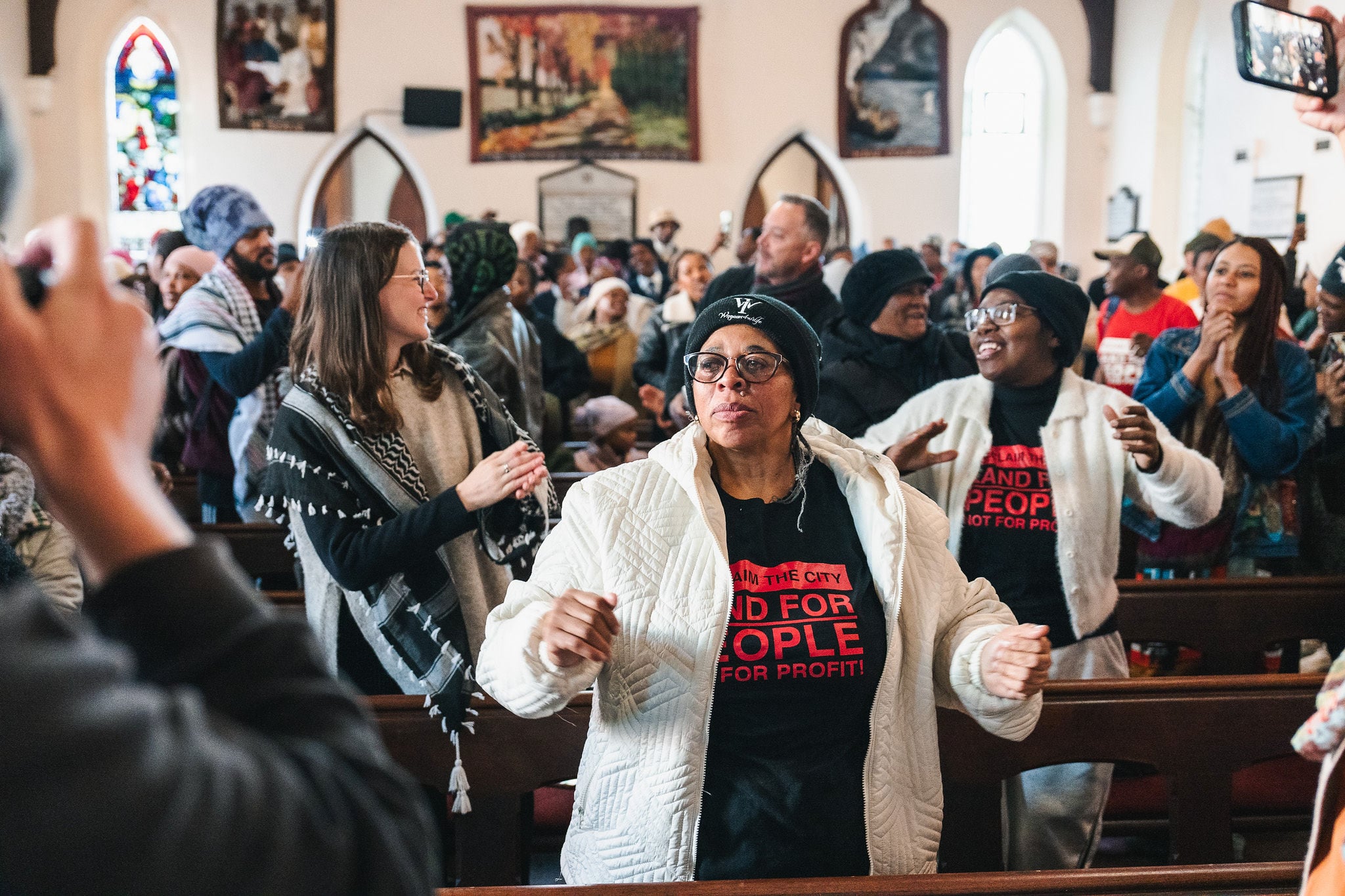 Reclaim the City and Ndifuna Ukwazi took the Western Cape province and the Cape Town municipality in 2025 after 10 years of litigation. In 2015, the province declared the building as “surplus” and agreed to sell it to a private school. The civil organisations said the property should instead be used by the City to provide affordable housing in the city centre, instead of being sold for profit.
Justice Mhlantla said that spatial injustice is not measured by distance alone – it’s about access to city life and the opportunities it affords. She said there was no evidence from the City to show meaningful progress on pipeline projects it says will be used to address access.
“The City had not implemented any social or affordable housing projects in or near central Cape Town or near economic nodes in a manner that addresses spatial justice. Its completed projects were largely situated in townships or peripheral areas. Although some of these areas are within 25km of the CBD, spatial injustice is not based on distance alone. It relies on transport, infrastructure, and others.”
The Court made this decision with costs, which means the Western Cape government will need to pay for the legal costs of those who took the Western Cape government to court.
The big questions
Is the City of Cape Town and the Western Cape Province required to consider the location of social housing with regard to their obligations in Sections 25(5), 26(1) and 26(2) of the Constitution?
Yes. Location matters. Any action that is retrogressive must be fully justified. In this case, this is an opportunity to address spatial apartheid in the City of Cape Town.
Did the City of Cape Town and the Western Cape Province comply with their constitutional obligations with respect to their respective social housing programmes, policies and projects?
No. Justice Mhlantla said the City has so far concentrated its housing in peripheral areas, which are outside of the city. There’s no evidence that the City will materialise its pipeline plans offered, as some have been in the pipeline for the last 10 years and remain unfinished.
Are regulation 4(6) and the proviso in regulation 4(1) of the regulations made under Section 10 of the Western Cape Land Administration Act constitutional?
No. These regulations made under the Western Cape Land Administration Act were deemed unconstitutional because, contrary to Section 3 of the aforementioned Act, the Western Cape government provided public participation only after it was declared surplus and available for disposal.
It cannot decide that property is surplus to the state’s needs without consulting and considering other parts of the state that would need it. The government cannot act only on the basis of whether it has an interest itself to use the property; it must act as a custodian of it and consider the public interest. The Government Immovable Assets Management Act (GIAMA) requires a two-stage inquiry before a decision can be made that public land is surplus. The first stage governs the role of the state as a user of the property, and second, the role of the state as custodian for public interest uses.
Did the Western Cape Province hold a meaningful public participation process in relation to the disposal of the Tafelberg property?
No. The court held that the province’s public participation was inadequate. Justice Mhlantla noted that the state had already made a decision on the property’s use before the public consultation, and called the public participation process for this decision a tick-box exercise.
Did the Western Cape Province’s failure to inform and consult with the National Minister of Human Settlements regarding its intention to dispose of the Tafelberg property contravene the Constitution and/or the Intergovernmental Relations Framework Act?
Yes. The Province did not consult the national Minister of Human Settlements nor the national Minister of Infrastructure and Development in its decision.
 What this means
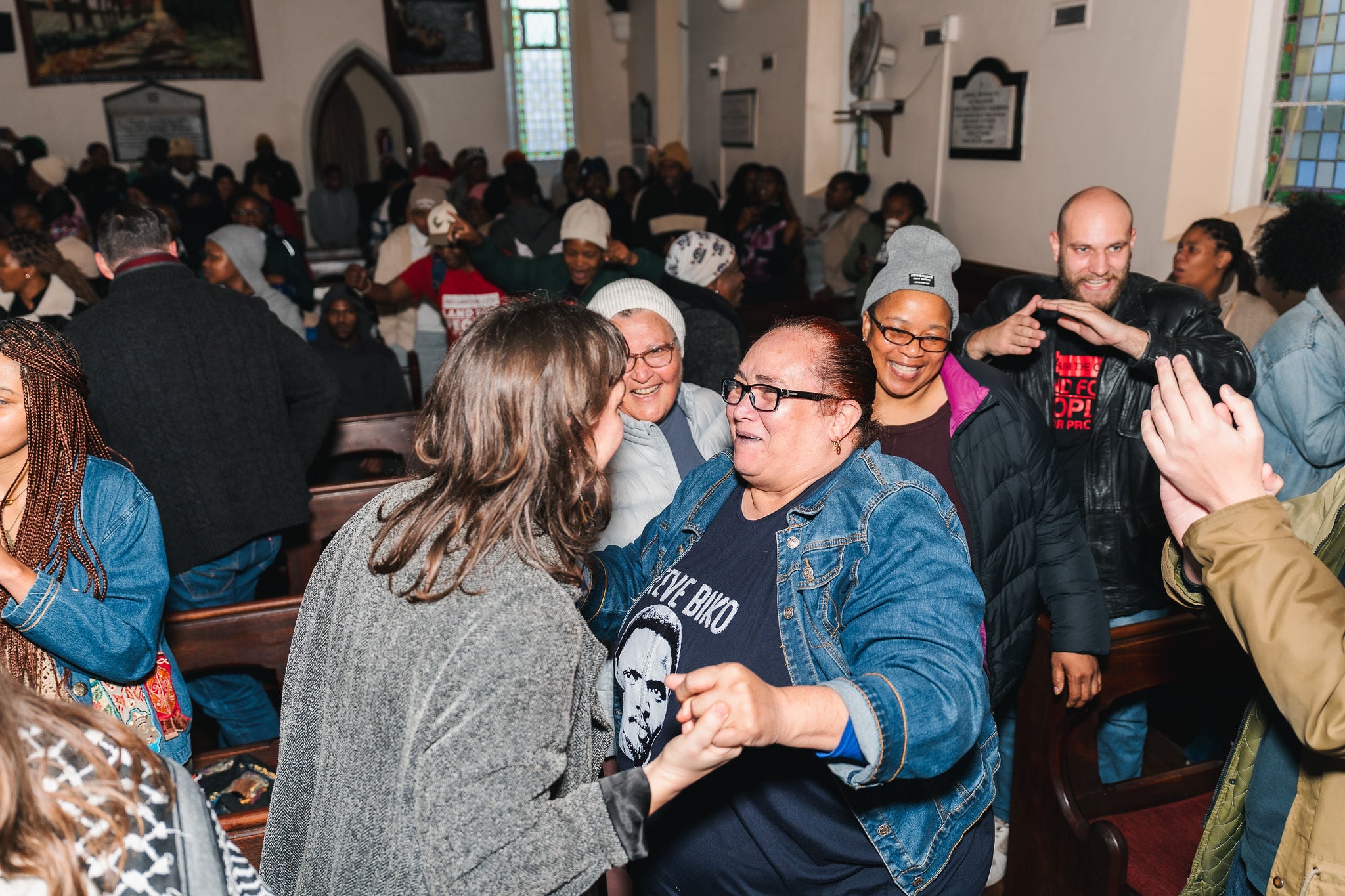
All spheres of government need to use their property in a manner that redresses spatial apartheid. Social housing needs to be well located. The state should not sell off its land without first consulting meaningfully, and considering its potential for social housing.
The constitutional right of “access to land on an equitable basis” has historically not been defined. A new Bill is expected on Equitable Access to Land, which should address this. In this case, of Tafelberg School’s use for affordable housing, spatial justice is the centre of access to land on an equitable basis. “Equitable” includes “well-located” to provide access to opportunities, social services, and other amenities that city centres offer.
This means the City of Cape Town did not use the intergovernmental consultation process, where national, provincial and local governments should consult each other and coordinate between themselves to make such decisions.
The case also highlights three important considerations to achieve spatial justice for poor and vulnerable South Africans.
- The right to the city
- The obligations of the state
- The right of access to land in an equitable basis
PLAAS congratulates Reclaim the City and Ndifuna Ukwazi for their long struggle to have these rights recognised and to advance spatial justice in Cape Town. We welcome this progressive judgment from the Constitutional Court.
Contact:
Deshnee Subramany
Communications manager
+2776 307 4414
dsubramany@plaas.org.za