
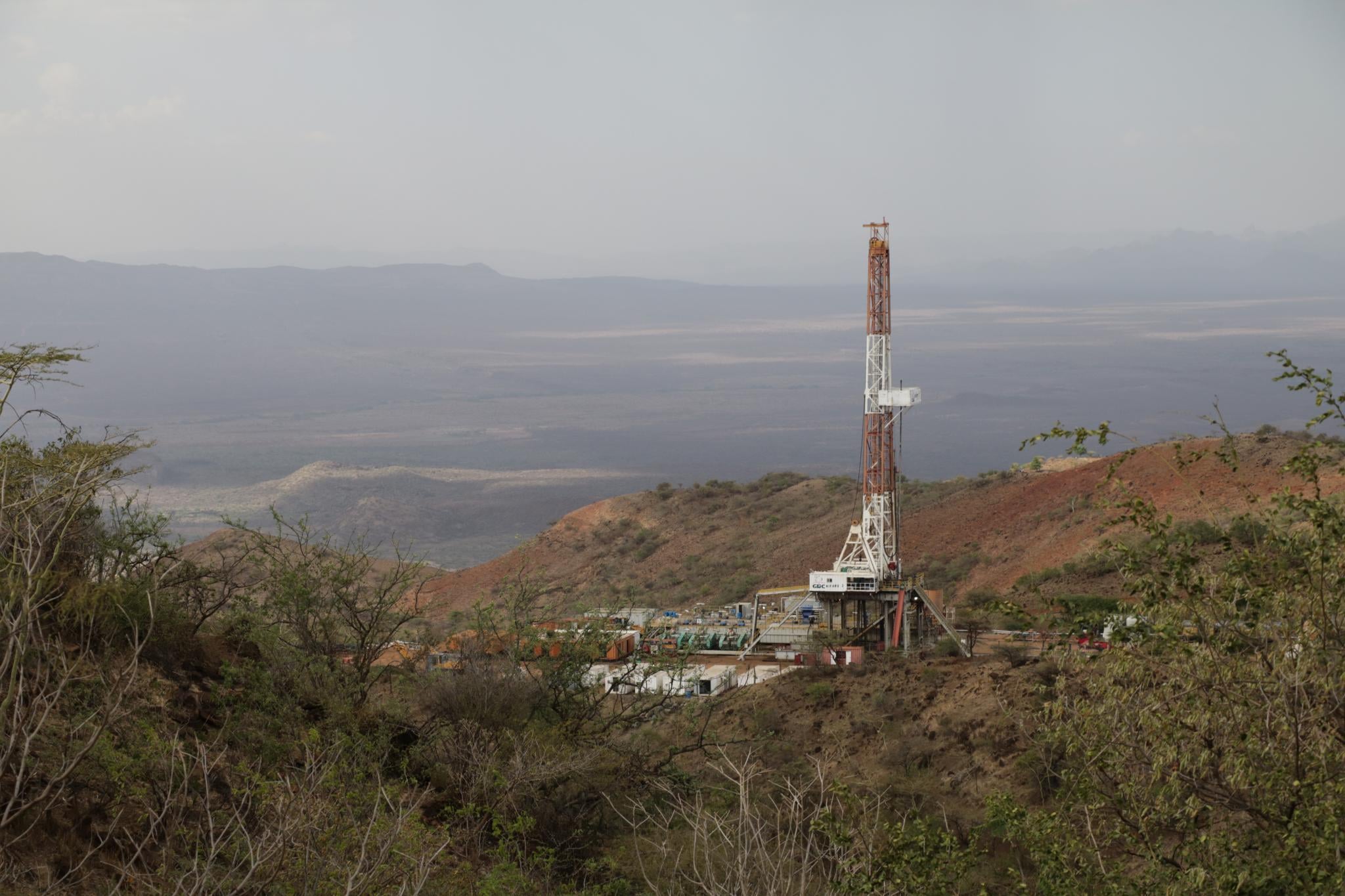
Navigating the green energy dilemma: a case study of geothermal development in Kenya
Renewable energy technologies are characterised by their low energy density and therefore often require large areas of land. Current literature on the energy transition shows that solar, wind, and geothermal projects frequently lead to new land conflicts, displacements, and a concentration of ecological, spatial, and aesthetic burdens at the local level—phenomena referred to as “green sacrifice zones.” In remote, marginalised rural areas, these new energy landscapes can give rise to competing demands for energy and climate justice and appear to present an intractable dilemma between local well-being and global climate goals. This presentation addresses this apparent dilemma, first examining it through the lens of the scholarly literature and then exploring it in greater depth using examples from the development of geothermal energy in Kenya. It draws on many years of field research into the complex dynamics of geothermal energy extraction and its intersections with local communities, economic development, and environmental sustainability. In this way, the presentation provides insights into the challenges and opportunities associated with the energy transition for rural areas.
Details
Thursday, 27 August 2026
13:00 – 14:00 SAST
PLAAS, floor 2, Jakes Gerwel Hall, UWC & online
Register on zoom

Clemens Greiner
Bio
Professor Clemens Greiner is the scientific coordinator of the Global South Studies Center (GSSC) and adjunct professor of social and cultural anthropology at the University of Cologne. In his current research, he focuses on the political ecology of renewable energy infrastructures, the commodification of ‘wilderness’, and agrarian transformations in rural Africa.
