
Urban nature as commons: The case of Cape Town, South Africa
Tuesday, 14 April 2026
10:30 – 12:30
Edith Stephens Nature Reserve
Govan Mbeki Road, Philippi, Cape Town
Location
RSVP by 10 April 2026
‘How do working class urban communities see nature conservation, and how can it be pursued to meet social justice as well as biodiversity objectives?’ Our new research shows how to think about urban conservation differently.
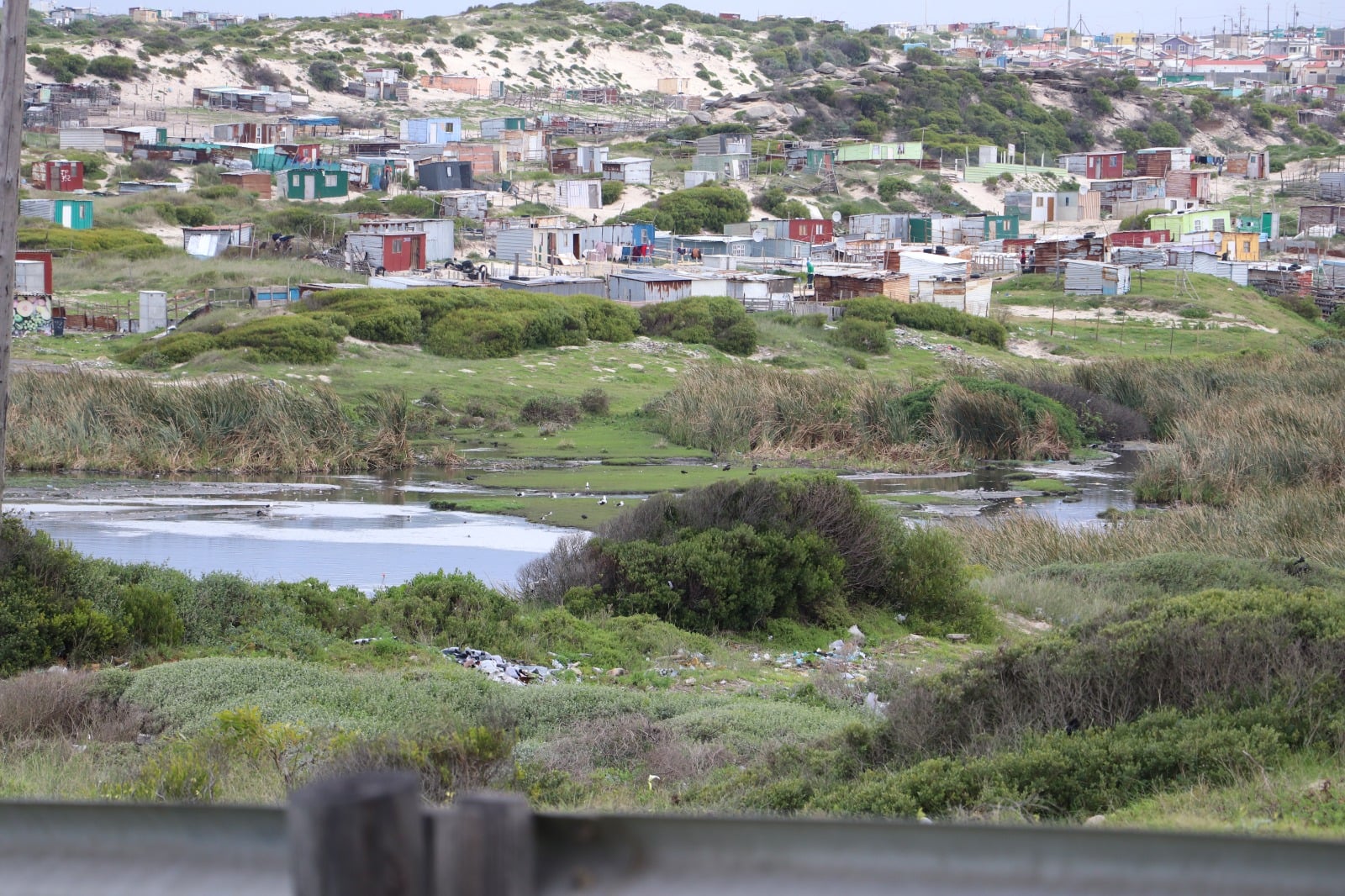
A new report — Urban nature as commons: The case of Cape Town, South Africa — presents findings and recommendations from three years of research into urban conservation in the City of Cape Town by the Institute for Poverty, Land and Agrarian Studies (PLAAS) at the University of the Western Cape. Hear from Manenburg and Lavender Hill residents about what makes their reserves so special to them, and how they incorporate two seemingly opposing concepts that are vital for their survival: justice and conservation.
As part of a wider research project on Living Landscapes in Action, this study contributes evidence towards systematic redesign of conservation in southern Africa. It gives pointers as to how to address the urgent problem of declining biodiversity, while at the same time dealing with South Africa’s spatial inequality.
The research was conducted in and with communities living adjacent to three nature reserves and a conservation area:
- Edith Stephens Nature Reserve, bordering Manenberg.
- Wolfgat Nature Reserve, between Muizenberg and Khayelitsha, and on the border of Mitchells Plein.
- Rondevlei Nature Reserve, situated on the Cape Flats.
- Macassar Dunes Conservation Area, used by people living in and around Khayelitsha and the Cape Flats.
The main finding from these City of Cape Town-managed sites are that natural resources in officially declared conservation areas have been separated from communities as islands of nature preservation.
By highlighting how these different communities use land and natural resources, as well as daily struggles they face trying to access nature, the findings also provide insights into the political ecology of urban nature conservation in countries with low and middle incomes. In such countries, access to nature and natural resources play an important role in the way people live, how they afford day-to-day needs such as housing and energy, and maintain their spiritual and cultural practices. These needs are underscored in the City of Cape Town, where poor communities depend on the land they live on to survive.
During the launch, we will provide our policy brief, which recommends that conservation policy, legislation and governance need to:
- involve township communities in biodiversity conservation area proclamations;
- consider how people use land in its management and governance;
- allocate user rights; and
- integrate local knowledge into biodiversity conservation.
This policy brief is available in English, and will be provided in isiXhosa and Afrikaans at the launch.
The launch includes a seminar delivered by Professor Mafa Hara (University of the Western Cape), Professor Frank Matose (University of Cape Town), and Professor Moenieba Isaacs (University of the Western Cape). There will be an opportunity for questions from attendees.
Abstract:
This report presents findings and recommendations from three years of research into urban conservation in Cape Town by the Institute for Poverty, Land and Agrarian Studies at University of the Western Cape. PLAAS’s Living Landscapes in Action project.
The Urban nature as commons report: The case of Cape Town, South Africa, is based on research in communities living adjacent to three nature reserves and a conservation area: Edith Stephens Nature Reserve, Wolfgat Nature Reserve, Rondevlei Nature Reserve, and Macassar Conservation Area, managed by the City of Cape Town. These spaces service natural resource users from Manenberg, Lavender Hill, Khayelitsha, and other Cape Flats areas.
The main insight from this report is that natural resources in officially declared conservation areas cannot be separated from communities as islands of nature preservation. By highlighting different community needs in terms of land and natural resource use, as well as daily struggles with access to nature, this research has shown how important it is to think about urban conservation differently.
The findings also provide insights into the social-political ecology of urban nature conservation in low- income and middle-income countries, where natural resources play an important role as a source of livelihoods, land for housing, energy, and spiritual and cultural purposes for poor communities. PLAAS’s Policy Brief 63: The importance of social and spatial justice realism in urban conservation (now translated into isiXhosa and Afrikaans) is based on the findings from the research and recommends that natural resource conservation policy, legislation and governance need to take cognisance of the dire needs of marginalised communities that are dependent on natural resources.
Living Landscapes in Action contributes evidence towards the systematic redesign of conservation in southern Africa in response to critical biodiversity decline while balancing South Africa’s spatial inequality.
Key words: urban conservation, urban social-political ecology, natural resources, Cape Town
