
Prof Ian Scoones, Institute of Development Studies, University of Sussex, UK
Wednesday, 11 February 2026
13:00 – 14:00 SAST
PLAAS seminar room, 2nd Floor, Jakes Gerwel Hall, UWC
Register via Zoom
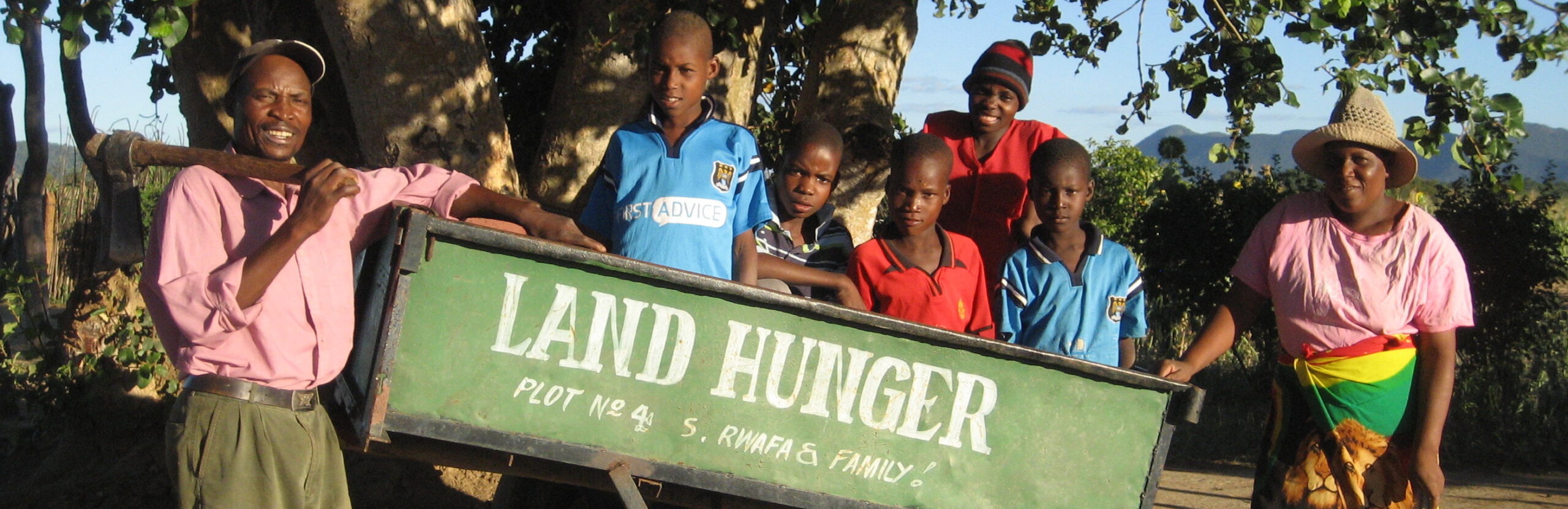
Despite claims of its decline, redistributive land reform remains a key policy issue, particularly as economic inequality gains renewed global attention. Building on the work of the Land Redistribution Initiative, this seminar will reflect on experiences of redistributive land reform from across the world, identifying both opportunities and challenges.
Economic inequality is increasingly recognised as a barrier to sustainable growth. In highly unequal societies, wealth is inherited across generations, restricting broad-based economic development. Land redistribution helps break this cycle, fostering economic participation among marginalised communities. Historically, land reforms in East Asia fuelled economic progress enabling rural investment, which later drove industrialisation. However, contemporary land reforms have yielded mixed results, particularly due to the rise of neoliberal policies favouring market-driven approaches over state-led redistribution.
As the world prepares for the International Conference on Agrarian Reform and Rural Development (ICARRD) in Cartagena, Colombia later this month, a reflection on experiences from very different settings is essential to identify broader patterns and inform future policies so as to put redistributive land reform firmly back on the agenda.
Bio:
Ian Scoones is a Professorial Fellow at the Institute of Development Studies at the University of Sussex, co-director of the ESRC STEPS Centre at Sussex and joint convenor of the Future Agricultures Consortium.

He is an agricultural ecologist by original training whose interdisciplinary research links the natural and social sciences and focuses on the relationships between science and technology, local knowledge and livelihoods and the politics of policy processes in the context of international agricultural, environment and development issues.
A social and institutional perspective is at the centre of his work, which explores the linkages between local knowledges and practices and the processes of scientific enquiry, development policy-making and field-level implementation.
