
Bernard Baha
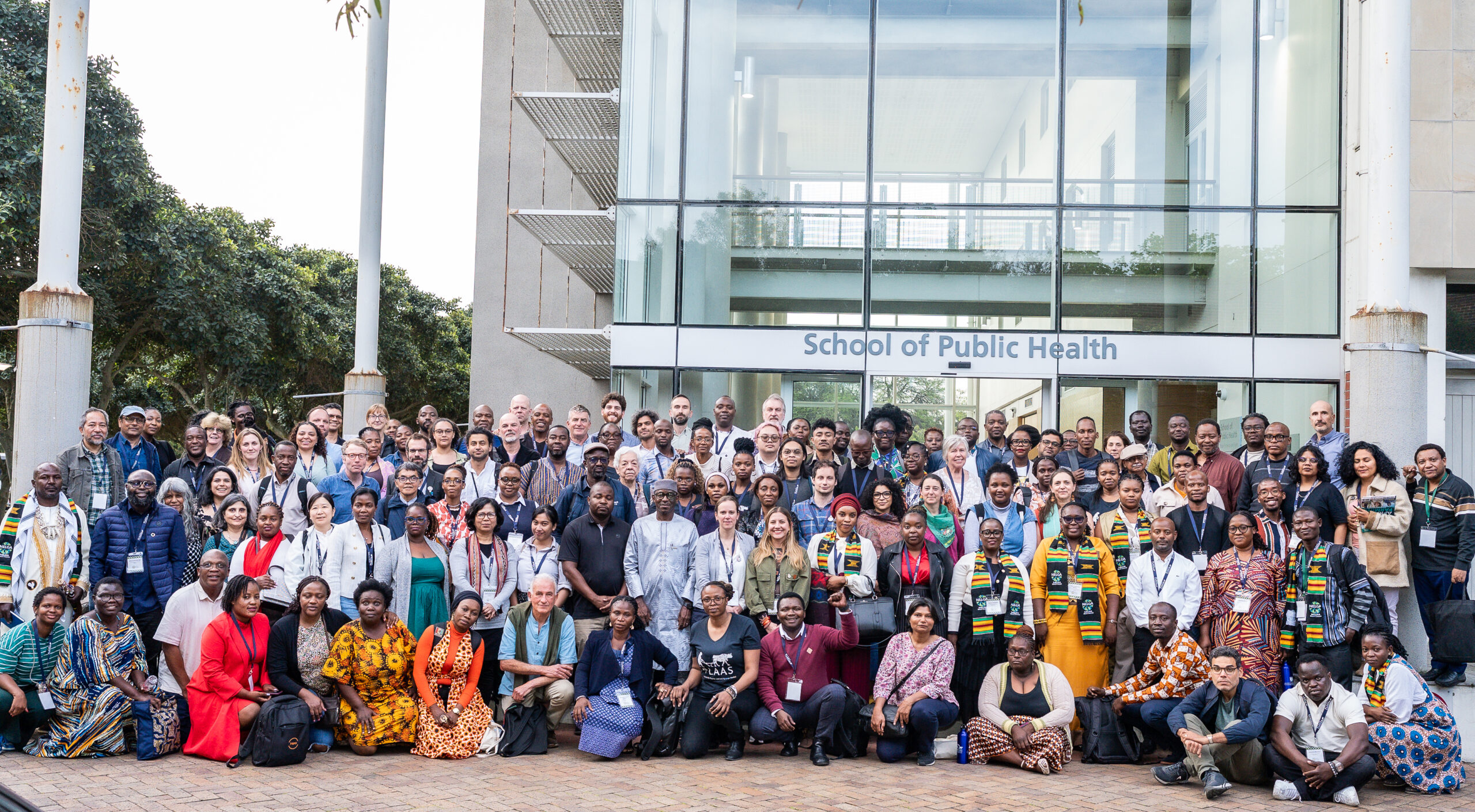
Participating in the Land, Life and Society conference at the University of the Western Cape was both intellectually invigorating and deeply affirming. The gathering brought together scholars, activists, and community leaders committed to reimagining land governance through lenses of justice, ecology, and lived experience. It was also a timely event as the Institute for Poverty, Land and Agrarian Studies (PLAAS) celebrated 30 years of research, teaching and policy engagement and so an opportunity to reflect on PLAAS’s journey.
I had the privilege of presenting on a panel exploring alternatives to fortress conservation — a theme that resonates strongly with my work in Tanzania’s rangelands. Our dialogue challenged dominant conservation models that exclude communities, advocating instead for approaches rooted in coexistence, customary stewardship, and ecological pluralism.

Bernard Baha at the PLAAS Land, Life and Society conference in October 2025.
The panel was rich with insights from across Africa: from Indigenous land defenders in Southern Africa to experiences in East Africa. I shared reflections from pastoralist communities in northern Tanzania, highlighting how their adaptive strategies and relational land ethics offer pathways toward climate resilience and biodiversity protection without dispossession.
Beyond the sessions, the conference was a space of solidarity. Walking the campus of UWC—an institution steeped in struggle and transformation—reminded me of the power of academic spaces to nurture radical imagination. Conversations spilled into the field, farms, neighborhoods weaving together threads of struggles to reclaim land, land justice, and decolonial futures.
I return home inspired to deepen our work on inclusive land governance, and to continue amplifying the voices of those too often sidelined in policy discourse. The conference reaffirmed that land is not just territory—it is memory, identity, and possibility.
Bernard Baha is the
